


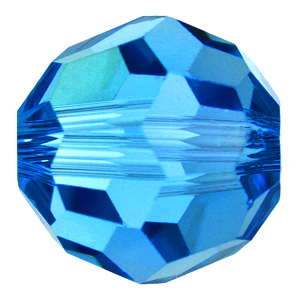
The name Zircon comes from the Persian word "zargun" which means gold colored, although Zircon comes in a wide range of different colors. The most popular Zircon color is blue. Hindu poets wrote of the Kalpa Tree, the ultimate gift of the gods which was a glowing tree covered in gemstone fruit and leaves of Zircon.
In the Middle Ages Zircon was said to aid sleep, bring prosperity and promote honor and wisdom. This stone was also said to encourage the appetite. It was placed in the hand of an ill person in the hopes that it would allow them to eat to gain nourishment and therefore recover. Carvings sculpted from Blue Zircon were found in early archaeological mappings of the Hindu temple of Angkor. For centuries, brilliant Blue Zircon has captured the hearts of those who laid eyes on it. Blue Zircon was popular in jewelry designs during the Italian Renaissance and was worn by the rich merchants and Doges of Venice and Genoa. Zircon is found mainly in Australia, Brazil, Cambodia and Korea. In the gemstone trade different terms refer to various colored zircons. Hyacinth is a yellow or yellowish red and Starlight is a rich slightly greenish blue variety.
An alternate birthstone for December is Turquoise. Turquoise has been a treasured gemstone around the world for thousands of years. This stone was made into beads by the Egyptians and was considered a symbol of prosperity. Turquoise was considered by ancients to be a sacred stone, protective against evil and ill health. According to American Indians the stone brought together the spirits of the sea and sky to bless warriors and hunters; a Turquoise arrowhead assured accurate aim. Turquoise is mined in Iran and the southwestern United States. A gift of Turquoise represents friendship and luck.
Blue zircon and turquoise are both used in jewelry such as necklace, bracelets, rings and earrings. They are given as gifts for occasions such as birthdays, anniversary, bridesmaid gifts, new baby gifts, baby shower, baptism and christenings.